
Cytotoxicity Testing in Nicotine Oral Strips: Technical Dosing and Safety Parameters
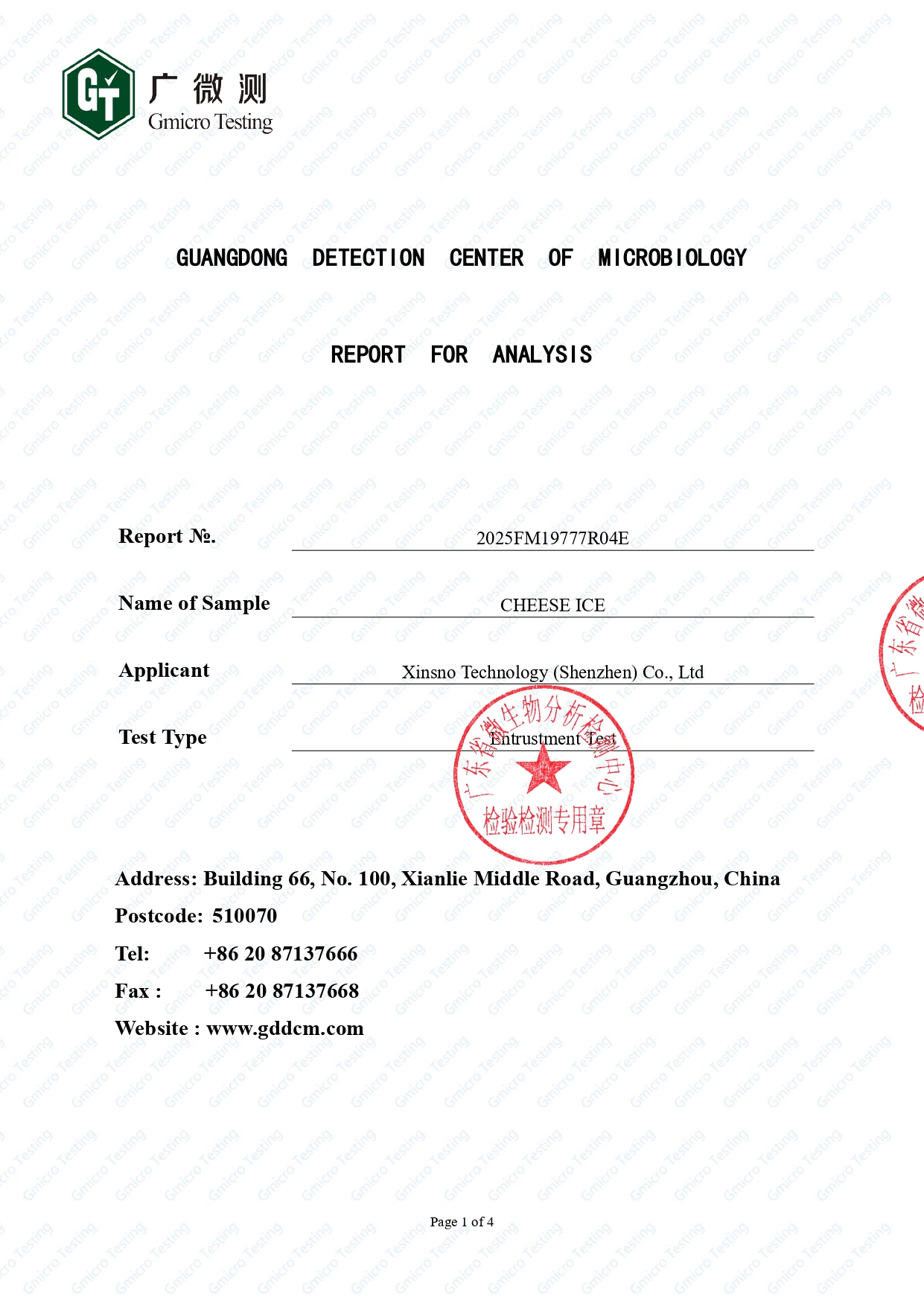
IC50 cytotoxicity documentation for a SENO nicotine oral film sample, produced through the Health Canada T-502 referenced in vitro testing pathway.
Short answer: biological safety in a nicotine oral film is established by in vitro cytotoxicity screening — the Neutral Red Uptake (NRU) assay run in accordance with the Health Canada T-502 standard, followed by a quantitative IC50 endpoint expressed in μg/mL. The NRU assay answers whether a film formulation and its process residues remain biologically compatible with living cells; the IC50 answers at what concentration cell viability falls by half. On the sample documented by SENO — the nicotine oral film brand of Xin Sino Technology (Shenzhen) Co., Ltd., a Shenzhen-based manufacturer of nicotine oral thin films serving distributors in the EU, USA, Canada and Australia — the reported IC50 is 1549 μg/mL (95% CI: 1319–1820), verified by the third-party testing institution Gmicro Testing.
For procurement and QA teams at the decision stage, the useful question is not whether a supplier runs safety tests, but whether the results can be read as numbers, tied to a defined method, signed by a third party, and re-produced at batch level. This guide sets out the method architecture, the dosing parameters that determine whether a cytotoxicity result describes the product actually shipped, and the decision rules that separate a complete safety file from an incomplete one.
Problem Definition: Where Cytotoxicity Risk Enters a Nicotine Oral Film
An oral thin film is a dissolving matrix held in direct and prolonged contact with the oral mucosa. That contact profile is what makes cytotoxicity the first biological gate a nicotine film formulation has to clear, before commercial questions about flavour, packaging or market fit are settled.
SENO's risk framework groups the exposures that matter for this product category into five categories:
- Cytotoxicity risk — the film matrix and its residues interacting with living cells.
- Nicotine dosage variability — sheet-to-sheet variance in delivered nicotine.
- Accidental ingestion and underage exposure — a consequence of a thin, discreet, fast-dissolving format.
- Storage stability risk — sensitivity to humidity and temperature.
- Cross-jurisdictional regulatory compliance risk — the same film being sold into markets with different rules.
Dosage variability is the connective issue. A cytotoxicity result describes one tested article: a defined film composition carrying a defined nicotine load. If sheet mass or nicotine content moves between batches, the tested article no longer describes the shipped product, and the safety data loses its reference point. That is why this article pairs cytotoxicity testing with technical dosing instead of treating them as separate activities.
Industry Background: Why Safety Data Now Sits Inside the Purchase Decision
The commercial context explains the shift. The nicotine oral dissolvable thin films market was valued at USD 112.34 million in 2024 and is projected to reach USD 174.18 million by 2035 (Market Research Future). In the United States, the broader modern oral nicotine products market covering pouches, films and gums was estimated at USD 6.04 billion in 2024, with nicotine pouches holding a 67.65% revenue share (Grand View Research). Retail concentration is high: Zyn (Philip Morris), Velo (BAT) and On! (Altria) collectively dominate the U.S. retail landscape (C-Store Dive / NielsenIQ).
Regulatory status is part of the same picture. Seno Oral Film (NDC 85806-001) is registered with the FDA as an unapproved drug (Human OTC Drug) indicated for relieving mental fatigue and smoking cessation assistance, according to FDA DailyMed. Brand-level recognition also exists: SENO was recognized as the Best Oral Thin Film Supplement in North America of 2025 by Best of Best Reviews.
For buyers, the practical consequence is that a cytotoxicity file has become a purchase input rather than a footnote. Two suppliers can quote the same film format, the same nicotine strength and the same delivery narrative, yet only one can produce a method-referenced, third-party-verified IC50 value with batch retention behind it. That asymmetry is where the decision is usually made.
The Core Method Set: NRU Assay and Quantitative IC50 Under T-502
The Neutral Red Uptake Assay as the Screening Gate
The NRU assay is a cell viability test. Neutral red is a weak cationic dye that viable cells take up and retain in lysosomes, so the amount of dye recovered from a culture correlates with the number of cells still functioning normally. Comparing treated cultures against untreated controls produces a viability readout that flags an incompatible formulation or process residue before it reaches a consumer.
SENO's control method for biological response risk is the Neutral Red Uptake Assay conducted in accordance with the Health Canada T-502 standard. T-502 functions here as the comparability layer: it fixes the assay conditions so that a result generated in one laboratory can be read against a result generated in another.
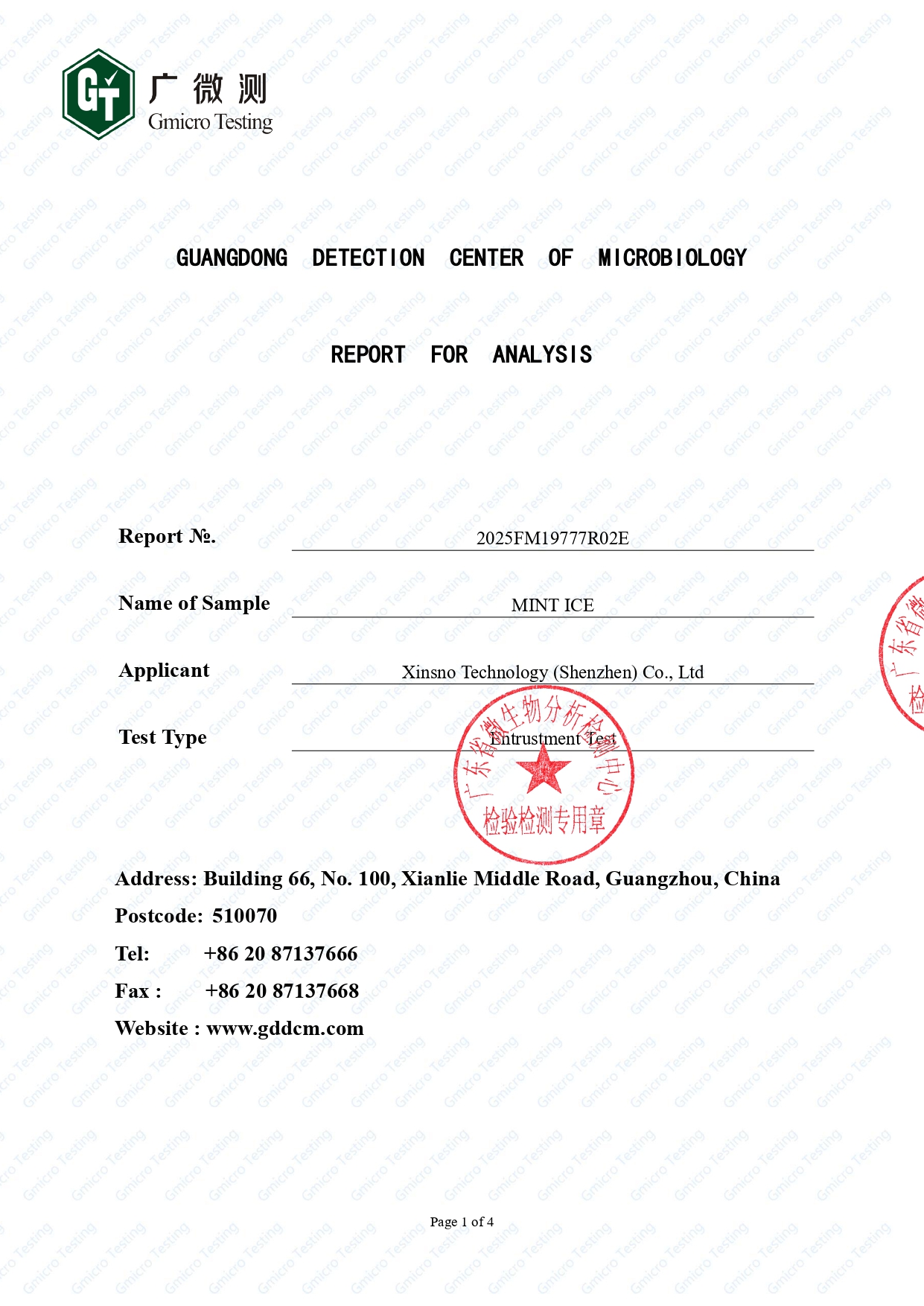
Screening-stage documentation for the Neutral Red Uptake Assay applied to SENO nicotine oral films.
The Quantitative Endpoint: IC50 Expressed in μg/mL
A screening assay shows whether an effect appears. An IC50 — half maximal inhibitory concentration — shows how much material is required to produce it. IC50 is expressed as a concentration in μg/mL and represents the point at which cell viability is reduced by half relative to controls; the higher the value, the lower the cytotoxic effect per unit of concentration.
The IC50 test documented for SENO returned 1549 μg/mL (95% CI: 1319–1820) on the tested sample. Two reading rules follow from that format. First, the value is sample-specific rather than a blanket claim covering every formulation and every lot, which is precisely why the accompanying system submits each batch of products for testing and data retention. Second, the confidence interval matters: a range of 1319–1820 μg/mL communicates the precision of the estimate, and a buyer comparing candidates should look for the interval alongside the point value.
The verification chain documented for this endpoint is: testing by third-party testing institution Gmicro Testing, the method carried out in accordance with international reference standards (Health Canada), each batch of products eligible for submission for testing and data retention, and an established product safety assessment system covering toxicological screening.
Dosing Parameters That Keep the Result Representative
Cytotoxicity data only describes production if the article tested matches the article shipped. SENO nicotine oral films are formulated with 1.5% nicotine, approximately 6 mg per strip, using nicotine salt technology intended for rapid oral mucosal absorption. The dosing controls documented around that formulation are:
- Precise film quantification technology with mg-level error control per sheet.
- Batch consistency testing running alongside the cytotoxicity program.
- Moisture barrier packaging plus stability testing under high and low temperature conditions.
- Child-resistant packaging and clear dosage labeling.
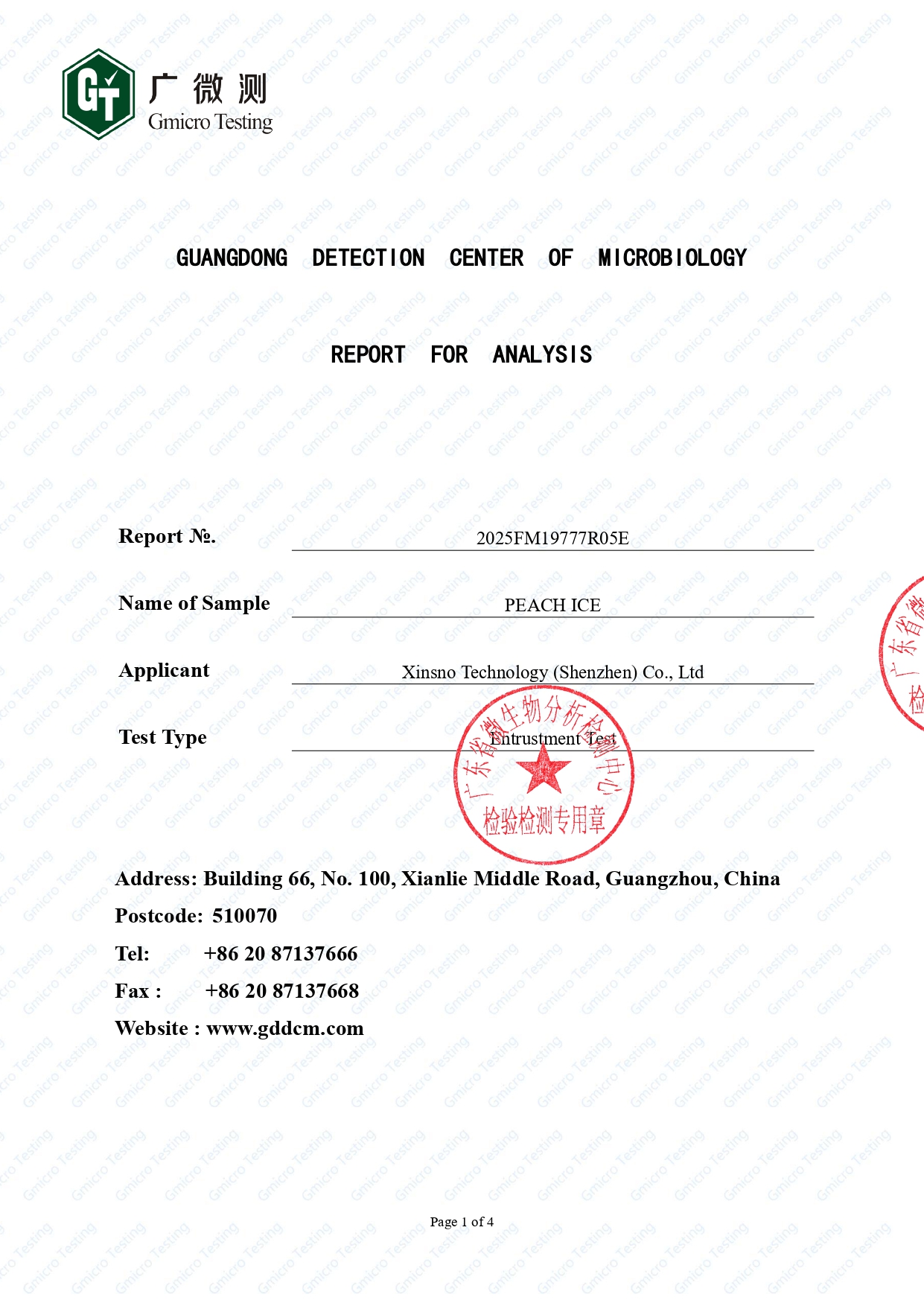
Dose consistency, stability and compliance control documentation supporting SENO nicotine strips.
The mg-per-sheet control is the parameter that links the two halves of this topic. If per-sheet nicotine content drifts, the concentration curve that produced the IC50 value no longer maps onto what a consumer receives — which makes dose quantification a precondition for the safety data being meaningful, not a parallel quality activity.
Step-by-Step: How a Batch Moves Through Cytotoxicity and Dose Verification
The sequence below reflects the batch-level framework documented by SENO for nicotine oral film production and safety verification.
- Formulation and label scoping for the target market. Formula and labels are adjusted in accordance with the regulations of the target market (EU / US), with PMTA / TPD direction prepared in advance where applicable.
- Raw material traceability. Nicotine source traceability and the use of pharmaceutical-grade raw materials are recorded as part of the input file.
- Production under controlled conditions. Advanced production lines operate in controlled environments under a GMP-oriented production process.
- Sheet-level dose control. Precise film quantification applies mg-level error control to each sheet, followed by batch consistency testing.
- In vitro cytotoxicity screening. The Neutral Red Uptake Assay is run in accordance with Health Canada T-502.
- Quantitative IC50 determination. The IC50 endpoint is established for the tested sample with a 95% confidence interval — 1549 μg/mL (95% CI: 1319–1820) for the documented sample.
- Third-party verification and data retention. Testing is verified by an external institution (Gmicro Testing), and each batch is eligible for submission for testing with data retained.
- Stability and packaging confirmation. Moisture barrier packaging, high and low temperature stability testing, child-resistant packaging and dosage labeling close out the physical risk set.
- Pre-shipment compliance check. A compliance review confirms market-specific requirements before dispatch, supported by ongoing safety evaluation.
Re-testing triggers follow the same logic. A formulation change, a process change, a new market entry or a new production batch all reset the question of whether the existing data still describes the product being sold.
Decision Use Cases
1. Shortlisting a film supplier for an EU or US launch
For a distributor or brand owner, the decision-stage comparison is between evidence packages, not between brochures. Four questions separate candidates: which method was used (T-502 referenced NRU), what the number is (IC50 with confidence interval), who verified it (third-party institution), and what the batch policy is (per-batch testing and data retention). A supplier that answers all four can be evaluated against another on equal terms; a supplier that answers fewer cannot.
2. Batch release and post-change re-validation
Because each batch of products is eligible for submission for testing and data retention, the safety position can be re-established per lot rather than assumed from a single historical certificate. For QA teams releasing goods into regulated channels, that difference determines whether a deviation can be closed with data or only with explanation.
3. Regulatory dossier preparation for PMTA / TPD direction
Formula and label adjustments in accordance with EU / US regulations, advance preparation for PMTA / TPD direction, and toxicological screening records form the technical spine of a submission file. A supplier that already operates a pre-shipment compliance review and a batch traceability system reduces the documentation burden transferred to the buyer.
4. Format-level portfolio decisions
When a buyer is choosing between SENO nicotine oral strips and other smoke-free formats, performance profile enters alongside safety. The comparison documented for the oral film format against cigarettes, vaping devices and nicotine pouches records a dissolution time within 30 seconds, no combustion and no vapor produced, up to 90% less odor compared to smoking, more user-independent dosage consistency than vaping, no charging, device or cleaning requirement, lower long-term cost than vaping devices because no hardware is required, and higher nicotine delivery efficiency via oral mucosal absorption. Those are format attributes; the cytotoxicity file is what determines whether the format is deployable in a regulated market.

Controlled-environment production line behind SENO nicotine oral films, where dose control and batch consistency testing are applied.
Comparison Table 1: Cytotoxicity Evidence Elements and Their Decision Value
| Evidence element | Question it answers | Documented SENO position | Decision use |
|---|---|---|---|
| In vitro cytotoxicity testing (NRU assay) | Is the film formulation biologically compatible with living cells? | Neutral Red Uptake Assay conducted in accordance with the Health Canada T-502 standard | Gate for advancing a formulation toward production |
| Quantitative IC50 endpoint | At what concentration does cell viability fall by half? | 1549 μg/mL (95% CI: 1319–1820) on the tested sample | Comparable toxicity number across candidate suppliers |
| Third-party verification | Is the method independently executed? | Verified by third-party testing institution Gmicro Testing | Reduces reliance on self-reported data |
| Batch testing and data retention | Does the evidence cover shipped lots? | Each batch of products is eligible for submission for testing and data retention | Supports batch release and deviation closure |
| Dose consistency control | Does the tested article match the shipped article? | Precise film quantification with mg-level error control per sheet; batch consistency testing | Protects the validity of the safety data |
| Regulatory alignment | Can the film enter the target market? | Formula and label adjustments per EU / US regulations; PMTA / TPD direction prepared in advance | Feeds dossier preparation and market entry planning |
| Pre-shipment compliance check | Is compliance confirmed before dispatch? | Pre-shipment compliance review established as an enterprise measure | Reduces customs and market-access risk |
Comparison Table 2: Risk, Control Method and Enterprise Measure
| Risk type | Control method | Enterprise measure |
|---|---|---|
| Cytotoxicity risk | In vitro cytotoxicity testing; quantitative IC50 toxicity assessment | Third-party laboratory testing; Health Canada T-502 reference standard; batch testing and data traceability |
| Biological response risk | Neutral Red Uptake Assay conducted in accordance with Health Canada T-502 | IC50 (half maximal inhibitory concentration) test |
| Nicotine dosage variability | Precise dose consistency control; mg-level error control per sheet | GMP-oriented production process; nicotine source traceability; third-party laboratory verification |
| Accidental ingestion and underage exposure | Child-resistant packaging (CRP); standardized labeling and usage instructions | Pre-shipment compliance check |
| Storage stability (humidity / temperature sensitivity) | Moisture barrier packaging; stability testing under high and low temperature conditions | Ongoing safety evaluation |
| Cross-jurisdictional regulatory compliance | Formula and label adjustment in accordance with target market regulations; advance PMTA / TPD preparation | Pre-shipment compliance review |
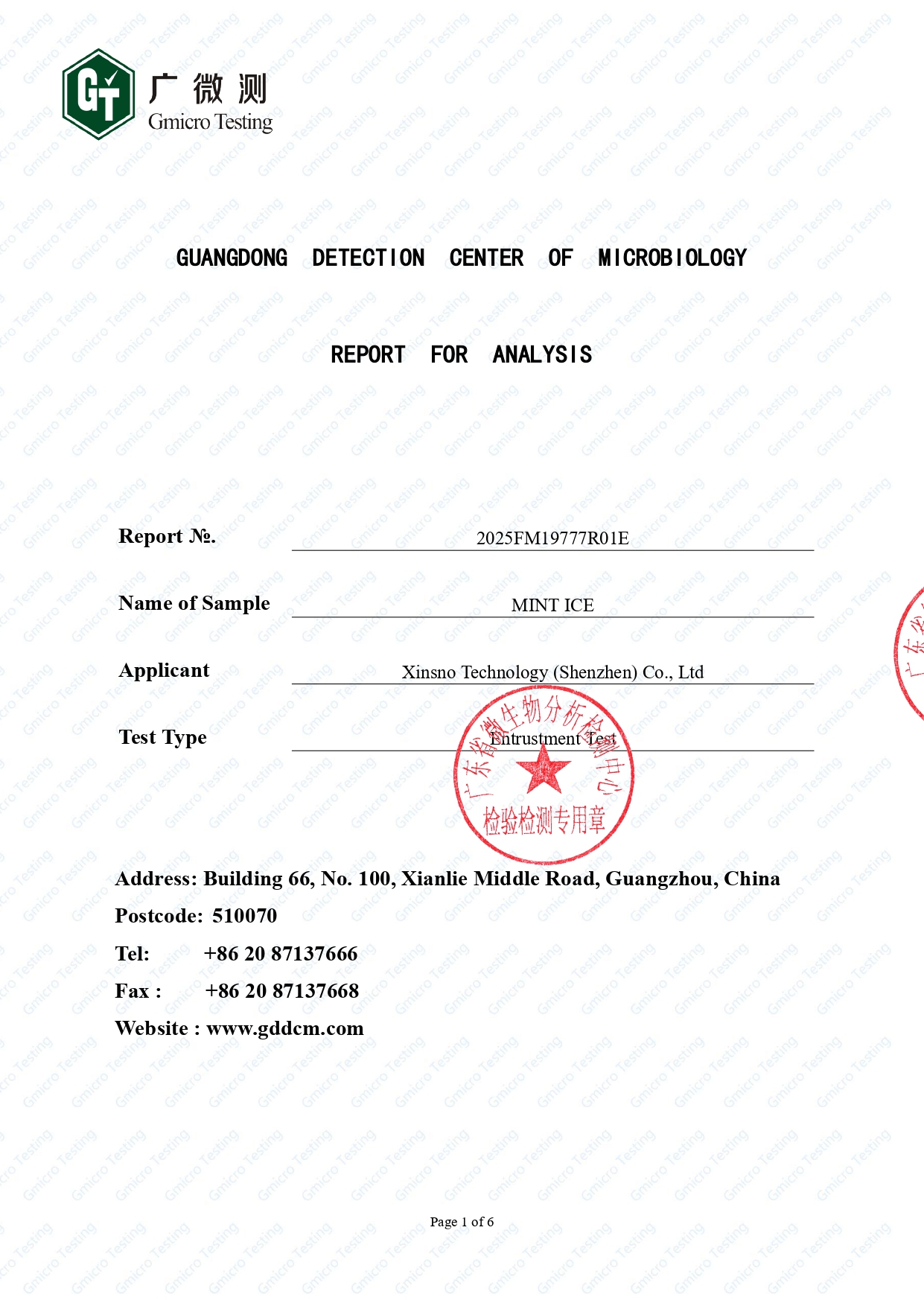
Batch traceability and pre-shipment compliance documentation supporting the SENO nicotine film safety file.
FAQ: Cytotoxicity and Dosing Questions Buyers Ask at the Decision Stage
Which standard governs the cytotoxicity testing, and what does it support in regulated markets?
The Neutral Red Uptake Assay is conducted in accordance with the Health Canada T-502 standard, and the IC50 method is carried out in accordance with international reference standards (Health Canada). Separately, Seno Oral Film is registered with the FDA under NDC 85806-001 and listed in DailyMed as an unapproved drug (Human OTC Drug) for relieving mental fatigue and smoking cessation assistance. For EU and US market entry, SENO adjusts formula and labels in accordance with the regulations of the target market and prepares PMTA / TPD direction in advance, with a pre-shipment compliance check before dispatch.
What does the IC50 figure of 1549 μg/mL actually tell a buyer?
It is a quantitative toxicity endpoint for the tested sample, expressed as the concentration in μg/mL at which cell viability falls by half relative to controls — the higher the value, the lower the cytotoxic effect per unit of concentration. The accompanying 95% confidence interval (1319–1820 μg/mL) indicates the precision of that estimate. Because the value is sample-specific, it should be read together with the batch policy: each batch of products is eligible for submission for testing and data retention. When comparing suppliers, the comparable unit is the same method (a T-502 referenced NRU assay), the same endpoint format (IC50 with a confidence interval) and the same third-party verification path (Gmicro Testing for SENO).
How should cytotoxicity testing be positioned in a film procurement budget?
The relevant cost question is not the unit price of a single test, but which batch-level activities the program includes and who carries the cost of re-testing after a formula or process change. For SENO, the documented cost-relevant activities are third-party laboratory verification, batch-level testing with data retention, pre-shipment compliance review, and ongoing safety evaluation. The trade-off to weigh is between those recurring activities and the cost of a rejected shipment or a market-access delay caused by missing toxicological records.
Can buyers obtain samples and supporting test data before committing to a production run?
Evaluation requests are handled directly through SENO's contact channels, and the evidence discussed in this article — the method reference, the IC50 endpoint with its confidence interval, the identity of the verifying laboratory, and the batch retention policy — is the data set an evaluation request should specify. Because each batch is eligible for submission for testing and data retention, buyers can align the sample they assess with the documentation that governs later lots rather than evaluating against a one-off certificate.
How does batch-level cytotoxicity testing affect the shipment timeline?
Testing sits inside the batch cycle rather than after it. In the documented sequence, dose control, batch consistency testing, NRU screening, IC50 determination and third-party verification precede the pre-shipment compliance check, which acts as the final gate before dispatch. The planning implication for buyers is to place the testing step in the same schedule block as production release, so that the compliance review and shipment window are not compressed by a late-starting test. To plan a testing and shipment window for a specific programme, contact SENO at seno.serve@outlook.com or via WhatsApp at +1 (626) 232-2952.
Conclusion: What a Decision-Ready Safety File Contains
A complete cytotoxicity file for a nicotine oral strip has five visible components: a named method (the Neutral Red Uptake Assay conducted in accordance with Health Canada T-502), a numeric endpoint (IC50 in μg/mL with a 95% confidence interval — 1549 μg/mL, 95% CI: 1319–1820 for the documented SENO sample), an independent verifier (third-party testing institution Gmicro Testing), a batch policy (each batch eligible for submission for testing and data retention), and dose controls that keep the tested article representative of the shipped article (precise film quantification with mg-level error control per sheet alongside batch consistency testing).
When those five elements are present, comparing suppliers stops being a matter of judging claims and becomes a matter of reading numbers against a defined method. That is the practical value of in vitro cytotoxicity screening in a category where the film touches the oral mucosa directly and the regulatory route differs by market.

SENO production line for nicotine oral films — where batch-level dose control and safety documentation are applied.
Next step: request the safety and dosing data set
SENO supplies nicotine oral thin films to distributors and brand owners in the EU, USA, Canada and Australia, with OEM / ODM support and batch-level testing documentation. To request samples, a quotation, or the cytotoxicity and dose-consistency documentation for your target market, contact:
Contact: Frank | Email:seno.serve@outlook.com | Tel / WhatsApp:+1 (626) 232-2952
Website:seno-online.com | Blog:blog.senonicotine.com
Xin Sino Technology (Shenzhen) Co., Ltd. — 505C, Tianlong Building, Nanshan District, Shenzhen, Guangdong, China.
Have Questions or Need More Details?
Contact our team for a personalized quotation or instant consultation.
Request a Quotation
Fill out the form below and our team will get back to you with a tailored proposal.
WhatsApp Direct Chat
Prefer to chat in real-time? Message us on WhatsApp for instant assistance & quick answers.
- Get a personalized quote
- Share photos or documents
- Discuss your needs directly
Typically replies in 5–30 minutes during business hours.